Start with reach and set-back
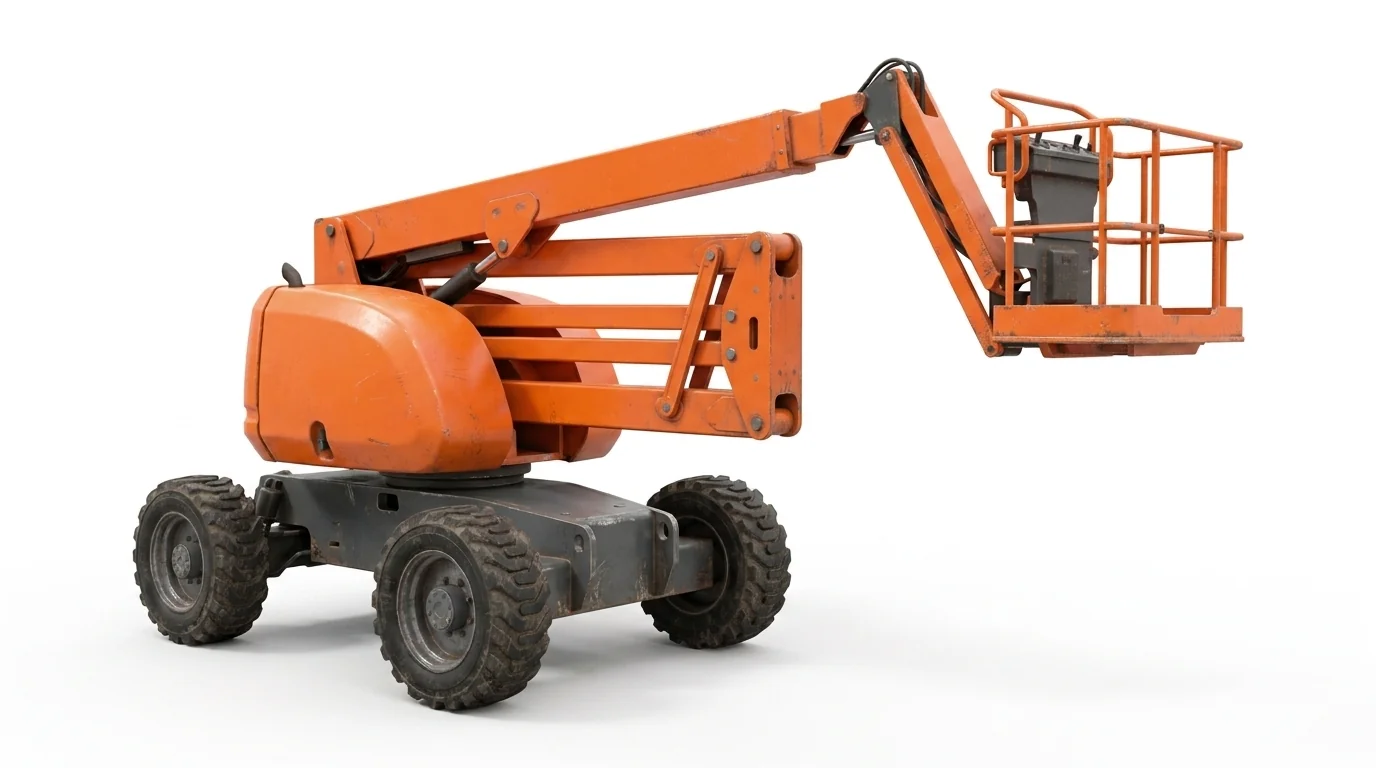
Measure how far the machine must stand off the work due to curbs, landscaping, loading areas, or traffic lanes. Then measure the working height. A straight boom’s chart converts those into platform height and horizontal reach; if an obstacle sits between the chassis and target, compare an articulating boom at /articulating-boom-lift-rental/.
Surface and season in Stockton
- Summer: Heat and dust favor planning for clean air filtration and consistent inspections; long, sun-exposed runs increase operator exposure time and may influence scheduling windows.
- Winter: Moisture can soften shoulders and unpaved strips. Actual conditions, the selected unit’s instructions, and site procedures govern ground bearing and allowable travel. Where slab access is limited, a telehandler at /telehandler-rental/ may handle materials to intermediate points.
Power and tire considerations
- Diesel straight booms dominate exterior reach, supporting long idle and swing cycles.
- Electric or hybrid straight booms can support partially enclosed work zones if ventilation and floor protection are required. Confirm floor loading where indoor turns are necessary.
When a straight boom is the efficient tool
- Lighting, signage, and façade repairs along long walls
- Pipe rack and catwalk tasks without intervening obstacles
- Yard camera or sensor mounting where consistent outreach matters If the path includes interior doors, check stowed dimensions; a vertical mast at /vertical-mast-lift-rental/ can complete tight interior picks after exterior reach work.
Alternative comparisons
- Need to reach over conveyors or mezzanines? See /articulating-boom-lift-rental/
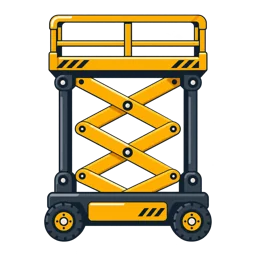
- Mostly vertical indoor maintenance on smooth slab? See /electric-scissor-lift-rental/