Read the ground before picking a class
- Surface type: Compacted base, gravel, or agricultural soils behave differently after rain. Stability and tire type matter more than raw platform height when the surface is variable.
- Approach routes: Gate clearances, slopes, and curb cuts around Stockton’s industrial areas can limit access. Confirm the machine footprint against these constraints.
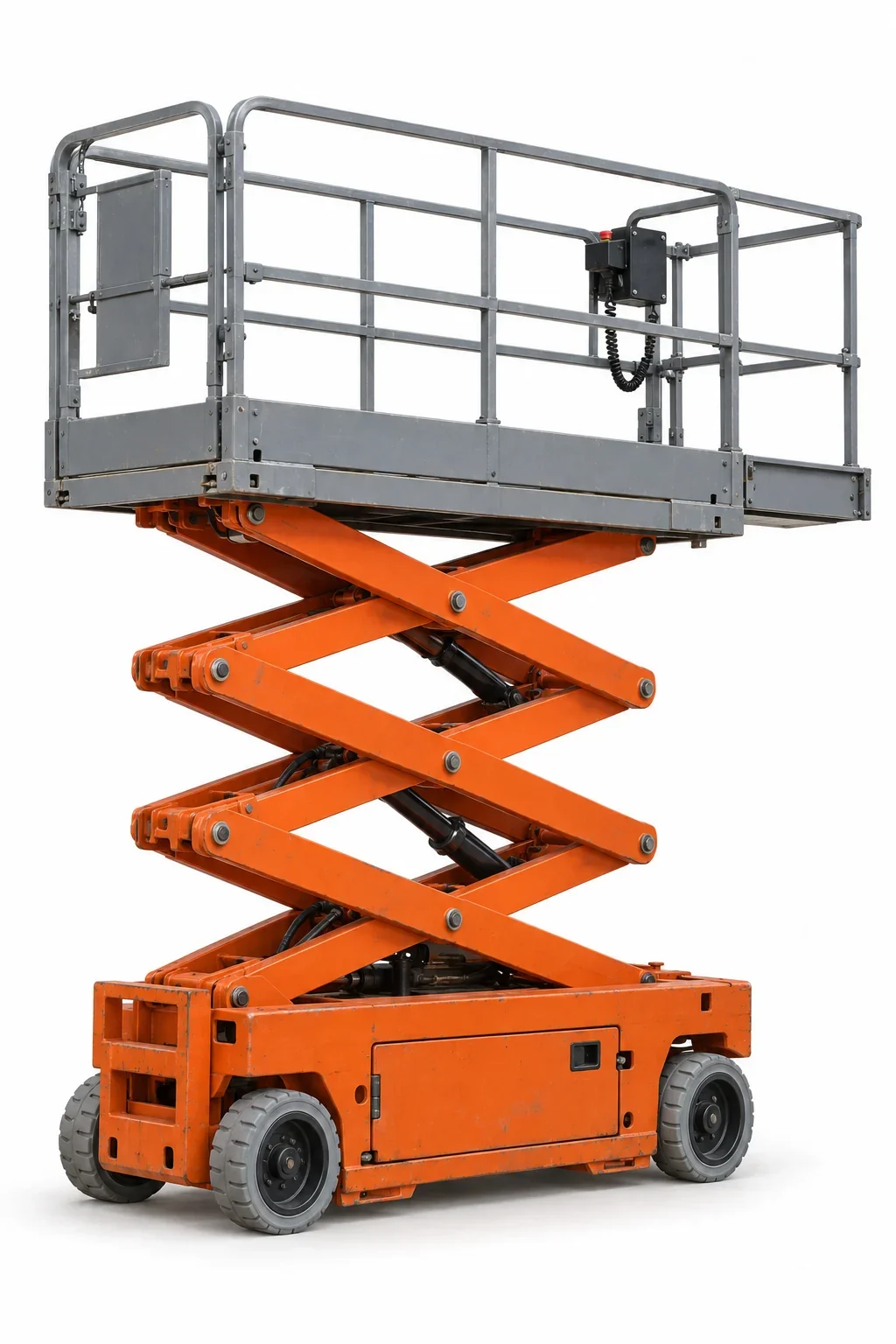
- Work zone geometry: If the lift must sit right below a facade or structure, a scissor works. If the task is offset behind obstacles, a boom may be required.
Local conditions that influence performance
- Wet winters: Soils can soften and hold water. A heavier machine may sink where lighter units pass; ground preparation and matting policies on site will drive feasibility.
- Dusty summers: Filters and radiators see more debris in hot, dry months. Expect more frequent cleaning to maintain performance during extended outdoor shifts.
Platform, power, and capacity considerations
- Platform size: Wider decks help with cladding, signage, and mechanical installs. Extension decks can reduce repositioning.
- Load and elevation: Balance material loads with the elevation needed. Avoid choosing height alone without checking rated platform capacity at full lift.
- Power source: Engine-driven units suit outdoor ventilation and duty cycles common on large exterior projects.
When rough-terrain scissor isn’t the right fit
If the lift can’t sit under the work or must reach over swales, equipment, or staging lanes, outreach becomes the driver. Compare options at Aerial Lift Rental and detail your choice at Boom Lift Rental.