Define the placement geometry
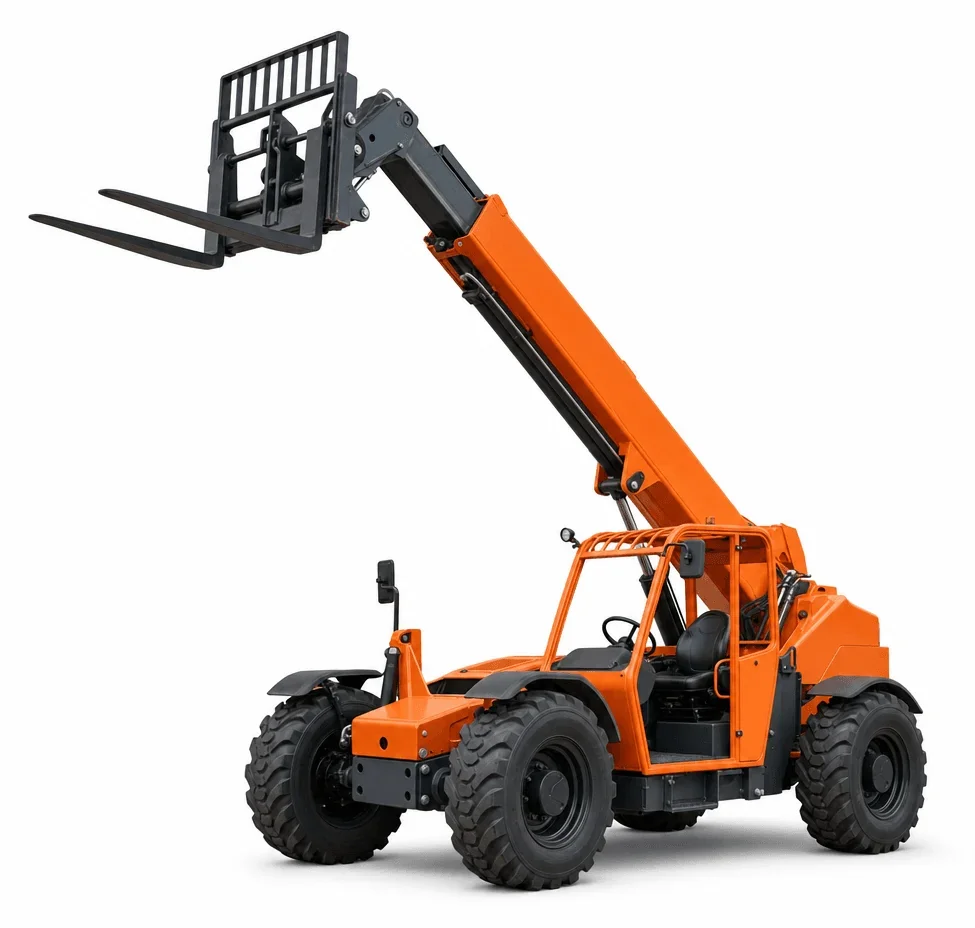
Telehandler selection starts with three numbers: - Load weight at the intended landing point - Landing height (top of deck, rack beam, or form) - Horizontal reach from the front tires to that landing point These determine whether the machine can place and hold the load within its chart. If you only need people at height, compare /articulating-boom-lift-rental/ or /telescopic-boom-lift-rental/ instead.
Approaches and surfaces in local yards
- Dock edges and yard aprons may force longer set-backs, especially near busy lanes.
- After winter rain, unpaved approaches soften. Actual conditions, the selected unit’s instructions, and site procedures govern allowable travel and stabilizing options.
- Summer dust reduces visibility and can collect on cooling systems; plan for clean air paths and clear sightlines when working near truck traffic.
Attachments and mast alternatives
Different implements change the load chart and operating envelope. For purely palletized, low-height moves on smooth slab, a warehouse forklift at /forklift-rental/ may be faster. For mixed-height, variable set-backs, the telehandler keeps flexibility.
Cab size, boom class, and maneuvering
- Compact units fit tighter turns at distribution campuses or infill sites.
- Larger classes extend reach and capacity for multi-story placement. Confirm turning radii and transport routes through gates and between stored materials.
When a telehandler is not the best fit
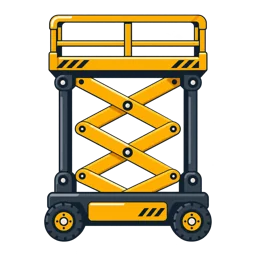
- Personnel-only elevated work: see /aerial-lift-rental/
- Straight, unobstructed exterior reaches for inspection or signage: see /telescopic-boom-lift-rental/