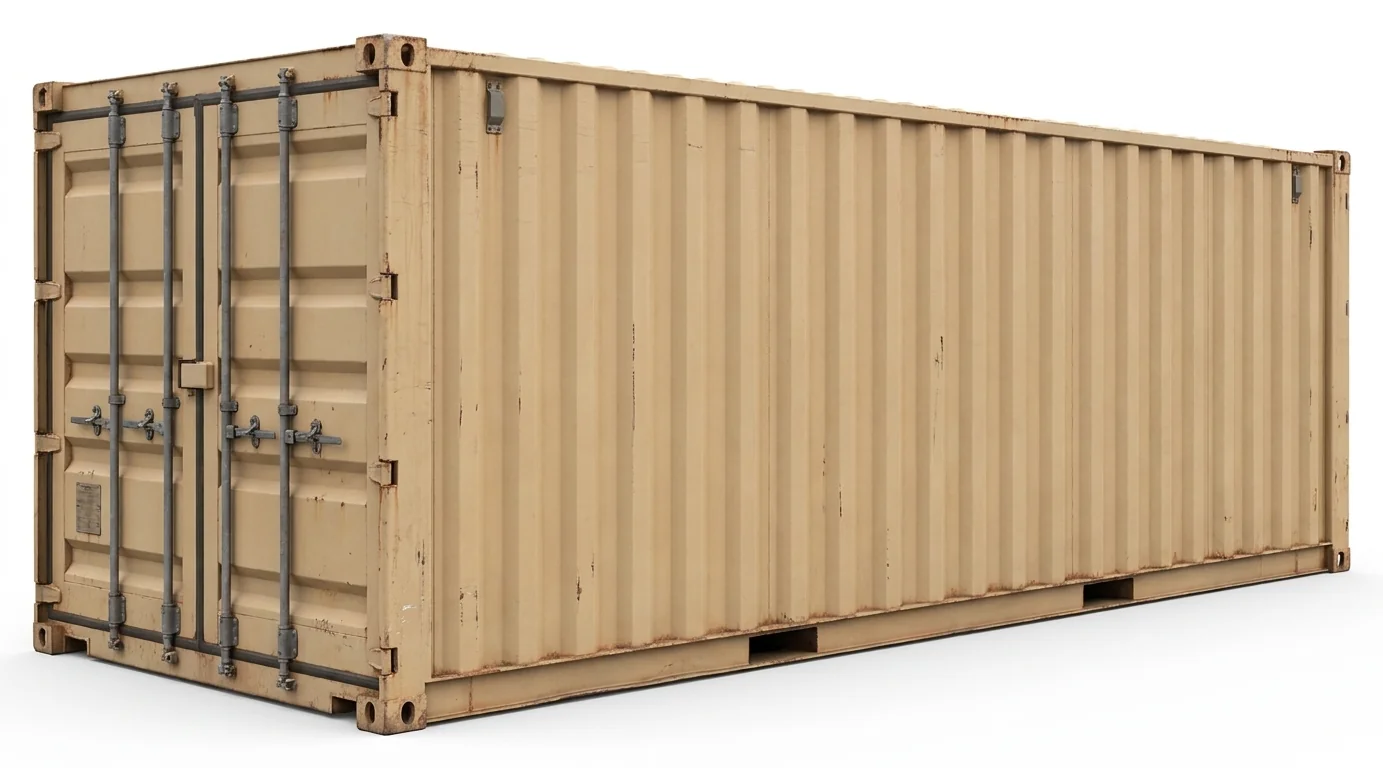
Decide where the box will live relative to loading lanes, overhead clearances, and access control. Stockton’s distribution buildings and industrial sites run long, straight traffic patterns with high-bay interiors and exterior staging on flat, sometimes dusty ground. Summer heat and airborne dust affect contents and hardware, while winter moisture can change ground support under corner castings.
Start with location and door orientation
Can the container sit below mezzanines or canopies, or does it need open sky for crane or forklift access?
Door orientation should match the flow of pallets or parts from docks, laydown yards, or maintenance bays. Side clearance for swing and ramp placement matters in tight aisles.
Route and placement constraints in local facilities
Measure gate widths, dock heights, and turning radii from street entry to the final pad. Many Stockton sites have long straights, but pinch points appear at guard posts and corner bollards.
Confirm whether placement is on asphalt, compacted base, or agricultural fill. After winter rain, softer soils can settle; a level base helps keep doors true.
Climate and contents
Central Valley heat loads can warm interiors. Sensitive inventory or adhesives may need shade placement or ventilation strategies defined by site policy.
Dust finds its way into door seals over time. Regular wipe-downs and periodic gasket checks within site procedures preserve door action and reduce intrusion.
Integration with lift equipment
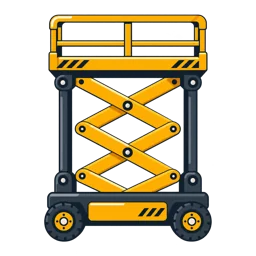
If containers feed parts to aerial work, ensure aisle width for scissor lifts and forklifts to stage and turn. See /electric-scissor-lift-rental/ for indoor aisle geometry and /forklift-rental/ for material handling considerations.
For outdoor assembly zones, rough-terrain lifts moving near containers need ground that resists rutting. Review /rough-terrain-scissor-lift-rental/ and /telehandler-rental/ for surface and reach implications.
Security and visibility
Yards serving night shifts often pair containers with perimeter lighting or towers positioned to avoid glare into operator sightlines. Coordination with /generators-light-towers-rental/ helps maintain clear lanes and coverage.
Dimensions and handling checkpoints
Verify length and height clearances along the delivery path, especially under utility lines, canopy edges, and interior door headers.
Identify a level, drainable spot so corners stay supported through wet winters.
Equipment questions
Questions about Stockton planning
How does Stockton’s dust affect long-term container use?
Dust can work into door tracks and seals, making doors harder to open and increasing intrusion. Periodic cleaning and gasket checks within site procedures help preserve operation.
What’s the best placement for containers feeding indoor warehouse work?
Place near roll-up doors with doors facing the flow of goods and enough apron depth for forklifts to stage. Keep the container out of main travel lanes common to local distribution buildings.
Do winter soils change how containers should be supported?
Yes. Softer soils after rain can allow corner settlement. A compacted, level base that drains well helps keep doors aligned and floors even.