Start with the route, not just the rack
Walk the full path: trailer, dock plate, staging, and final rack position. Note the tightest doorway and aisle, any slope at dock transitions, and the highest required lift. If the final placement is beyond a dock barrier or elevated deck, compare /telehandler-rental/ for reach.
Indoor warehouse focus
- Electric sit-down and stand-up trucks fit clean, smooth floors with tight turning. Non-marking tires help protect slab finishes.
- Battery runtime can vary in summer heat; plan charging in ventilated, shaded spaces and keep dust away from key components.
Outdoor and mixed-use considerations
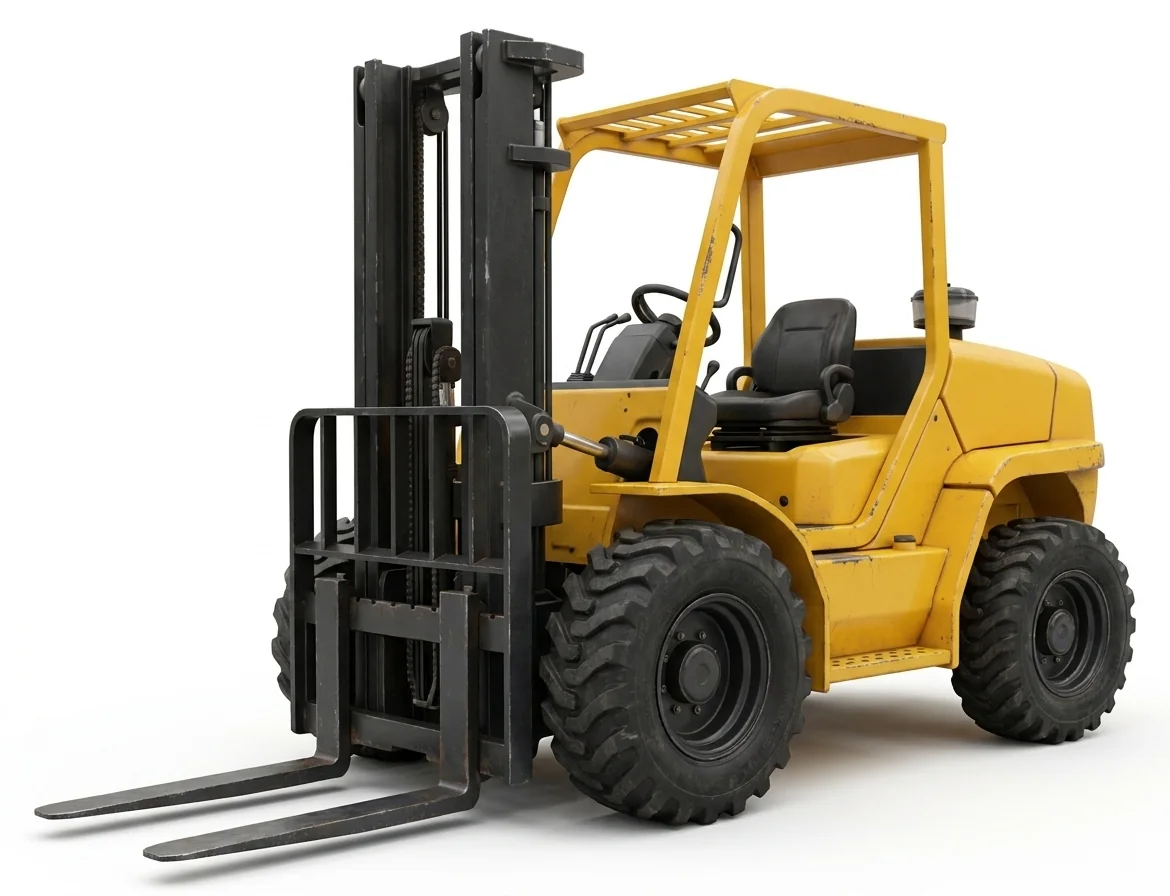
- Pneumatic-tire models handle yard staging and occasional uneven joints. After winter rain, slab edges near soil can soften; confirm travel limits per site procedures and the unit’s instructions.
- If the path leaves the slab for compacted base or aggregate, rough-terrain machines may be necessary.
Mast, carriage, and load profile
- Measure pallet length and load overhang to ensure clearance when turning in aisles.
- Match mast height to the top beam plus clearance for tilt and entry. If overhead obstructions restrict mast collapse height, a shorter mast with different staging may be required.
Alternatives and hand-offs
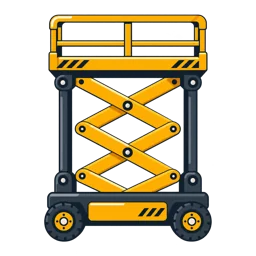
- Personnel access for maintenance: /electric-scissor-lift-rental/ or /vertical-mast-lift-rental/
- Exterior long-reach tasks: /telescopic-boom-lift-rental/